OBJECTIVE
This course is designed for pipeline personnel in engineering, integrity management, operations, and regulatory compliance roles. It will covers a wide range of topics related to hydrostatic testing of pipelines for gas and hazardous liquid service for both in-service and new construction according to CFR 49 Parts 192 and 195.
To provide attendees with necessary information for planning and conducting a successful hydrostatic test, whether it’s for initial service or retesting existing lines. The aim is to cover review of integrity prior to testing through evaluation of test results. The course will focus on testing with water but testing with other medium will also be discussed:
- Guidelines of the quality of Hydrotest Water
- Theory of MIC Corrosion and Mitigations
- Theory of Oxygen Corrosion and Mitigations
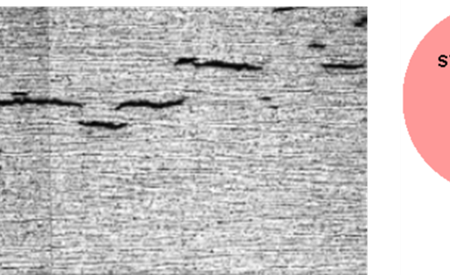
The two major corrosion issues with hydrotest waters used on C-Mn steel fabrications are oxygen corrosion and anaerobic pitting corrosion mediated by sulphate-reducing bacteria (SRB), often in association with complex bio-films.
SCOPE
- Establishing Test Requirements
- Conducting a Safe Test
- Preliminary planning
- Test Schedule
- Water as a test medium
- Other test medium
- Leak Detection
- Test Documentation
- Managing water movement
- Instrumentation
- Data Interpretation & calculations
- Test Failure
- Contingency Planning
Main Points:
- Major concerns with hydrotest waters are either oxygen corrosion or anaerobic pitting corrosion mediated by sulphate-reducing bacteria (SRB)
- Increased requirements to eliminate toxic chemical discharge of hydrotest waters means that environmental risk assessments have to be carried out for lines
Course Features
- Lectures 0
- Quizzes 0
- Duration 50 hours
- Skill level All levels
- Language English
- Students 1
- Assessments Yes