Corrosion Control & Materials in Oil & Gas Production
- Problems encountered in wet H2S
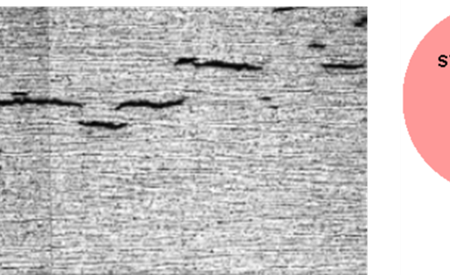
- Hydrogen-induced cracking (HIC)
- Sulfide stress cracking (SSC)
- Stress-Oriented HIC (SOHIC)
- Hydrogen damage assessments
- Hydrogen-permeation – Field & Laboratory.
- Full-scale Tests
- Double cantilever beam (DCB);
- Wedge open load (WOL);
- Compact tension (CT);
- Three and four-point bending (4-pt.b.); C-ring, etc.
Environmental testing
- Atmospheric
- Salt spray exposure
- Temperature/Humidity exposure
- Environment chamber (cyclic heating and cooling) – Soil box exposure
- Cyclic loading – Customized environments (Pressure, temperature, stress, gas)
Corrosion Evaluations/Studies:
- Standardized testing (ASTM, NACE, API)
- Electrochemical testing and evaluation
- Potentiodynamic polarization
- Polarization resistance
- Potentiostatic/galvanostatic polarization
- Electrochemical noise
- HPHT Autoclave Testing up to 20 ksi
- Flowloops
- Innovative Corrosion & Materials Problem Solutions and Failure Analysis
- Development of Corrosion, Stress Corrosion Cracking and Materials Qualification Testing
- Computer Modeling of Corrosive Environments to replicate field conditions in the laboratory
- Standarized and modified testing per ISO, ASTM, NACE, Norsok and EFC methodologies.
- HPHT H2S/CO2 and multiplace exposures for environmental cracking evaluation.
- State of the art SSR Test Frames for Standard NACE TM 0198 testing and Cyclic SSR testing
- HPHT flow loop
- Acidizing testing
- Electrochemical Testing Capabilities
- Corrosion Inhibitor Testing & Qualifications
- Customized SSC and SCC testing to meet customer critical requirements
- High Capacity SSC Proof Ring NACE Method A Testing & Method D DCB Testing
Gas Analyses
Liquid Analyses
Course Features
- Lectures 0
- Quizzes 0
- Duration 50 hours
- Skill level All levels
- Language English
- Students 2
- Assessments Yes
Curriculum is empty